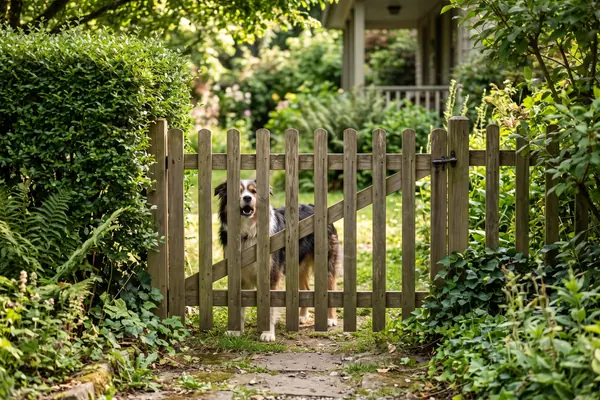
DISTURBANCE
Someone at the door
When a stranger rang the doorbell, barks were more often harsh, low-pitched and fast-repeating, and each bark lasted longer.
Decode a bark doodlebarks
WHAT THE RESEARCH SAYS
A bark is not just noise.
Decode a bark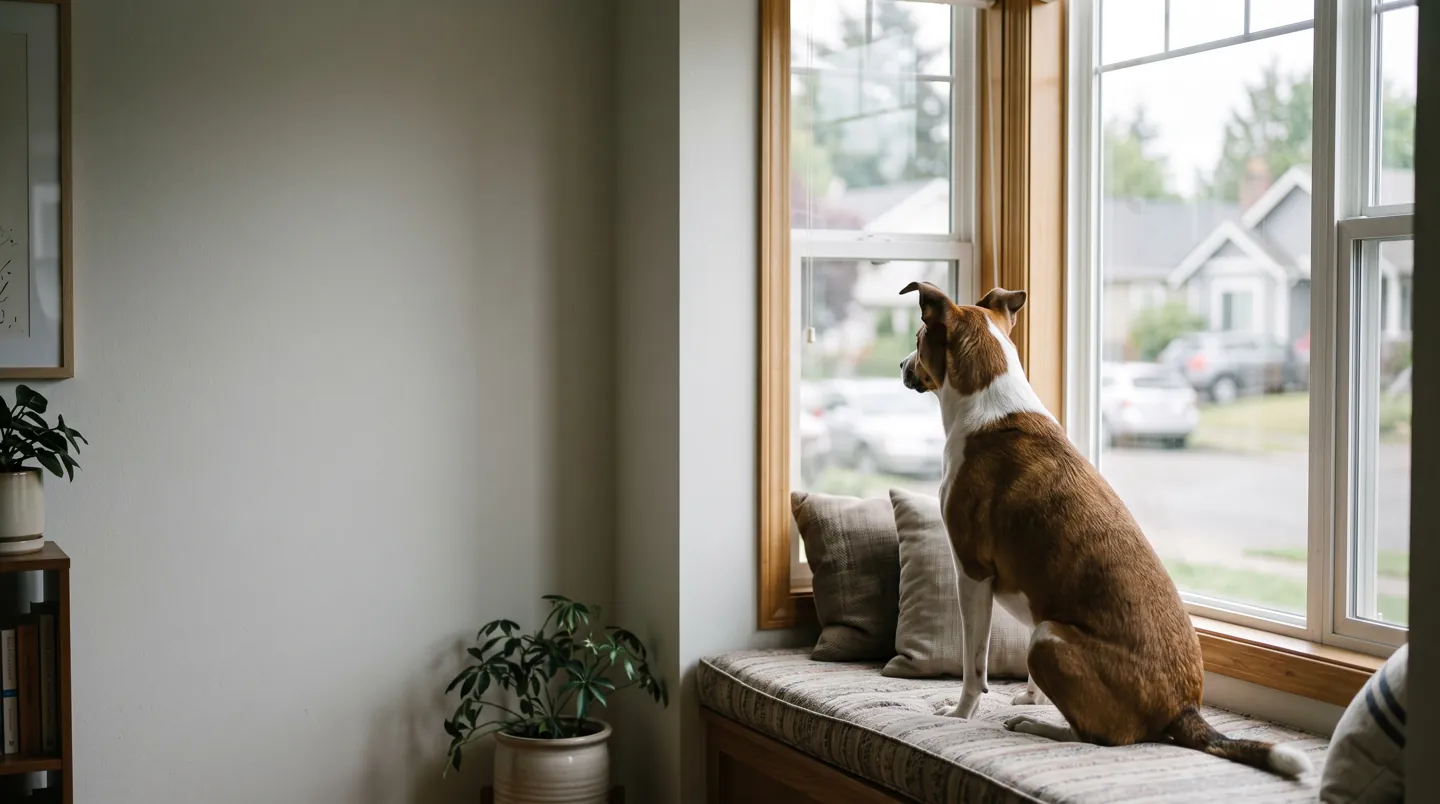
LISTEN FIRSTthen look for the cause
Researchers who recorded thousands of barks found that dogs sound different at the door, when left alone and at play, and that people can often tell which is which.
At a glance
4,672 barks
Barks analysed from 10 dogs
Yin and McCowan recorded six breeds at the doorbell, alone and at play. Barks differed by situation even within the same dog, and each dog could be identified by its bark.
BARK SPECTROGRAMS · UC DAVIS
43%
Barks sorted to the right situation
A computer trained on more than 6,000 barks from six situations sorted unknown barks by situation 43% of the time, which the authors called highly above chance.
MACHINE LEARNING · ELTE BUDAPEST
TWO NUMBERS WORTH KNOWING
One study measured barks by hand,
another taught a computer to sort them.
People do well too: a 2005 study found listeners could categorise the situation of recorded barks high above chance, whether or not they owned a dog. Dogs can tell barks apart as well, by situation and by which dog is barking.
WHY IS MY DOG BARKING?
Pick a situation to see what the research and RSPCA advice say. The bar shows how much it is worth looking into the cause.
Based on Yin and McCowan (2004) and RSPCA advice on barking. General information, not veterinary advice.
THE SHORT ANSWER
A study of 4,672 barks found clear patterns.
Here are the three situations it compared.
DISTURBANCE
When a stranger rang the doorbell, barks were more often harsh, low-pitched and fast-repeating, and each bark lasted longer.
Decode a barkISOLATION
Shut away from their owner, dogs gave more tonal, higher-pitched barks. The RSPCA says barking alone can be a sign of distress.
When it gets too muchPLAY
Play barks were also higher and more tonal than doorbell barks, which is why a happy bark and an alarm bark rarely sound alike.
See the numbers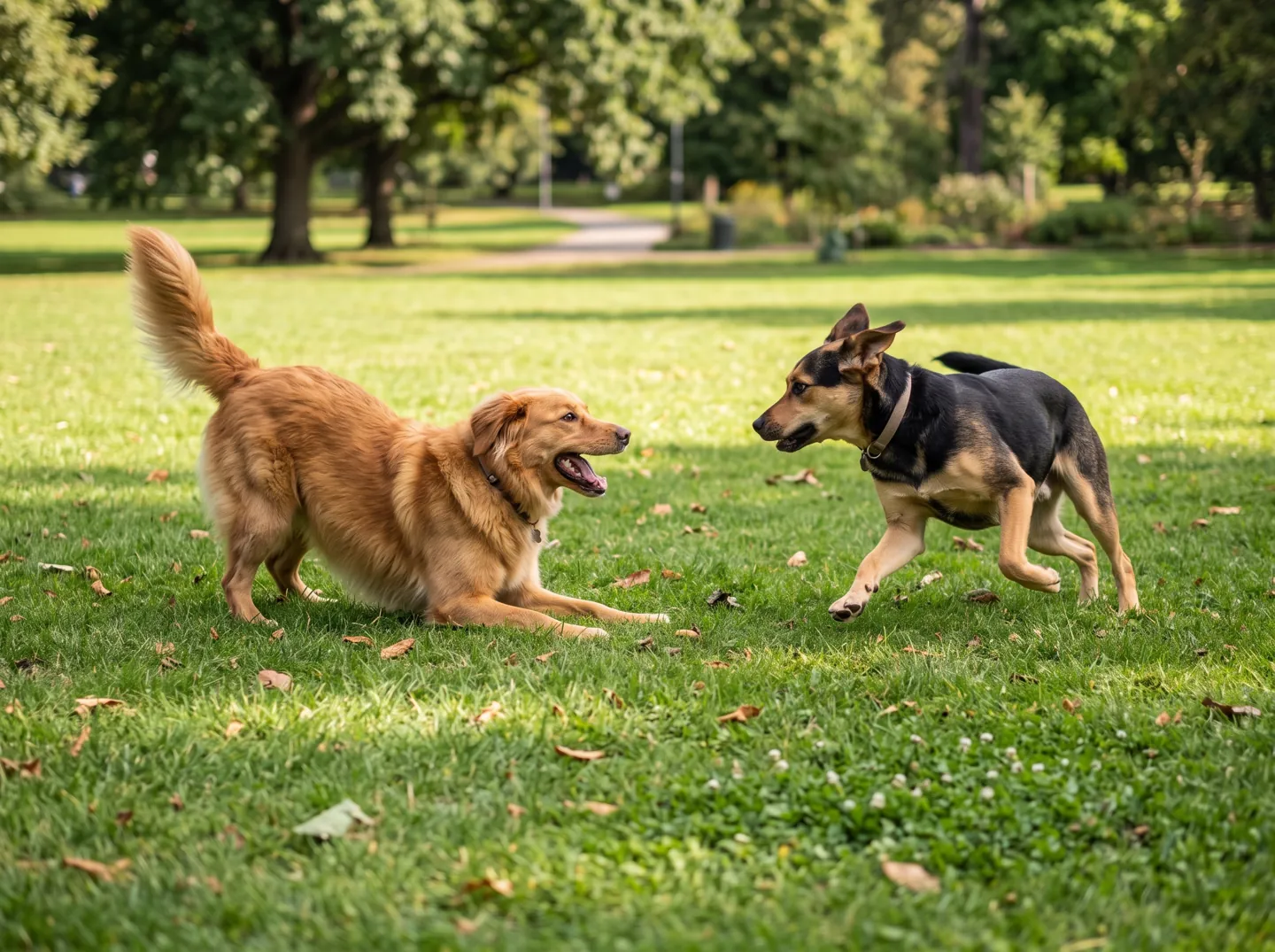
FOUR STEPS FROM THE RSPCA
The RSPCA says barking is completely normal. When it becomes excessive, the advice is to find and treat the cause rather than the noise.
If barking has increased, speak to your vet, for example about your dog's hearing.
Meals, play and exercise at around the same times each day help a dog know what is coming next.
Dogs are active, social animals. Enough exercise, things to do and company can mean less barking.
A clinical animal behaviourist can work out the cause and put a treatment plan together.
WHEN THE NEIGHBOURS HEAR IT
The RSPCA says the occasional bark is usually not a problem, but owners may not know their dog barks while they are out. Its advice is to speak to the owner first, and then contact the local council.
In England, GOV.UK says councils must look into noise that could be a statutory nuisance, and barking dogs are one of its examples. If a council agrees there is a nuisance, it must serve an abatement notice requiring the noise to stop or be restricted.
Questions
Yes. A 2004 study of 4,672 barks found doorbell barks were more often harsh, low and rapid, while barks when alone or at play were more tonal and higher-pitched.
Often. In a 2005 study, listeners categorised the situations of recorded barks high above chance, and owning a dog made almost no difference.
Less reliably than you might think. A 2006 study found human listeners mostly did not reach the threshold for reliable discrimination between individual dogs from barks alone, though a computer could tell dogs apart.
The RSPCA says barking when left alone can mean a dog is in distress, and that eight out of 10 dogs experience stress when left alone. Its advice includes a special toy, a dog-sitting service or specialist help.
The RSPCA suggests speaking to the owner first, as they may not know. If that does not work, contact your local council; in England councils must investigate noise that could be a statutory nuisance.
Sources
ABOUT THIS NAME
doodlebarks.com is part of the DoodleSale portfolio. It isn't in an auction right now, but you can ask about leasing it.